Hybrid & Electric Maserati Maintenance:
Batteries, Systems & Software

Maserati Ownership Guide
Maserati Ownership Guide Menu ▲

Table of Contents

Hybrid and electric Maserati maintenance focuses on battery health, software integrity, thermal management, and system coordination across Maserati’s electrified platforms. Proper care involves authorized diagnostics, routine system checks, and documented service continuity to maintain predictable performance and long-term ownership confidence.

Maintenance at a Glance

Hybrid and electric Maserati maintenance centers on system integration rather than mechanical service alone. Electrified models introduce battery systems, software controls, and thermal management that operate alongside traditional components, requiring coordinated oversight instead of isolated repairs.

At a high level, electrified Maserati maintenance prioritizes three core principles:

  • Authorized diagnostics that verify system health and calibration
  • Battery and thermal oversight that preserves long-term performance
  • Documented service continuity that protects warranty standing and future value

Unlike traditional service schedules that emphasize mileage, electrified Maserati maintenance focuses on system verification, software synchronization, and thermal stability.

This guide builds on the broader Maserati Maintenance & Service Guide, focusing specifically on the considerations unique to hybrid and fully electric models.

How Hybrid & Electric Maserati Maintenance Differs From Traditional Service

Maintaining a Hybrid or Folgore Maserati isn’t about doing more service—it’s about doing different service. Traditional maintenance focuses on combustion wear and mechanical friction. Electrified platforms instead prioritize battery health, thermal stability, and software coordination.

Maserati’s electrified lineup includes 48-volt hybrid models and fully electric Folgore vehicles, each requiring a slightly different maintenance approach.

Folgore (Fully Electric Models)

Fully electric Folgore models eliminate many traditional service items such as oil changes, spark plugs, and exhaust systems. Maintenance instead focuses on battery performance and thermal management.

Routine service typically verifies:

  • Battery cooling system performance
  • Thermal pumps and cooling valves
  • High-voltage system stability
  • Software-controlled energy management

Keeping the battery within stable temperature ranges helps maintain charging efficiency, power delivery, and long-term battery health.

What Maserati Maintenance Really Means

Maserati maintenance is about preserving balance rather than reacting to failure. The objective is not simply to keep the car running, but to ensure it continues to feel as composed and responsive as the day it left Modena. When stewardship is handled correctly, ownership remains seamless—each service interval feels like a continuation of the driving experience rather than an interruption.

Maintenance as Continuity, Not Correction

This philosophy keeps mechanical and digital systems aligned before drivability begins to drift. Service is guided by the calendar as much as the odometer, diagnostics are used to maintain software harmony, and wear items are handled early so repairs don’t arrive in clusters. The result is a vehicle that continues to feel familiar—responsive, settled, and composed—year after year.

For a broader view of how maintenance fits into daily life and long-term stewardship, our Maserati Ownership Guide explains what it means to live with the brand over time. When maintenance is done right, it doesn’t complicate ownership. It simplifies it.

The Maserati Service Philosophy

Maserati service is designed to support ownership, not control it. This approach to Maserati maintenance prioritizes balance—keeping the vehicle aligned with how it is actually driven, stored, and lived with over time.

This is why Maserati ownership often feels calmer than expected. Service exists to preserve the character of the car, not to interrupt the experience of driving it.

Service as Support, Not Restriction

Maserati vehicles are engineered to be used regularly, not managed cautiously. The service model reflects that reality by using diagnostic insight to catch small deviations early, adapting to whether the car is driven daily or seasonally, and building documentation that supports confidence rather than bureaucracy. 

When service follows this approach, the car remains familiar and composed instead of progressively different after each interval.

Hybrid Maserati Models

Hybrid Maserati platforms combine a traditional combustion engine with a 48-volt electrical architecture that supports the drivetrain.

Maintenance therefore includes both conventional engine service and hybrid system oversight.

Routine inspections may include:

  • Inspection of the 48-volt hybrid battery system
  • Verification of hybrid control modules
  • Calibration of the electric assist system

For vehicles driven infrequently—such as seasonal or collector vehicles—battery monitoring becomes especially important for maintaining system stability.

The Key Difference

Electrified Maserati maintenance focuses less on part replacement and more on system coordination. When battery, software, and cooling systems remain aligned, the vehicle continues to deliver the smooth, responsive performance expected from Maserati.

Hybrid Maserati Systems: Maintaining Mechanical & Electrical Coordination

Hybrid Maseratis feel familiar behind the wheel, but beneath the surface they rely on a 48-volt electrical system that assists the combustion engine during acceleration and manages many onboard electrical loads.

Maintenance focuses on keeping the engine, electric assist system, and control software synchronized, ensuring smooth power delivery and efficient system performance.

The 48-Volt Hybrid System

The mild-hybrid system operates quietly in the background, but it depends on stable battery health and consistent electrical output.

Routine service typically verifies:

  • Condition of the 48-volt battery
  • Operation of hybrid control modules
  • Calibration of the electric assist system
  • Integrity of electrical connections

These checks help maintain smooth power assistance and efficient energy management.

Maserati ownership | exterior trident
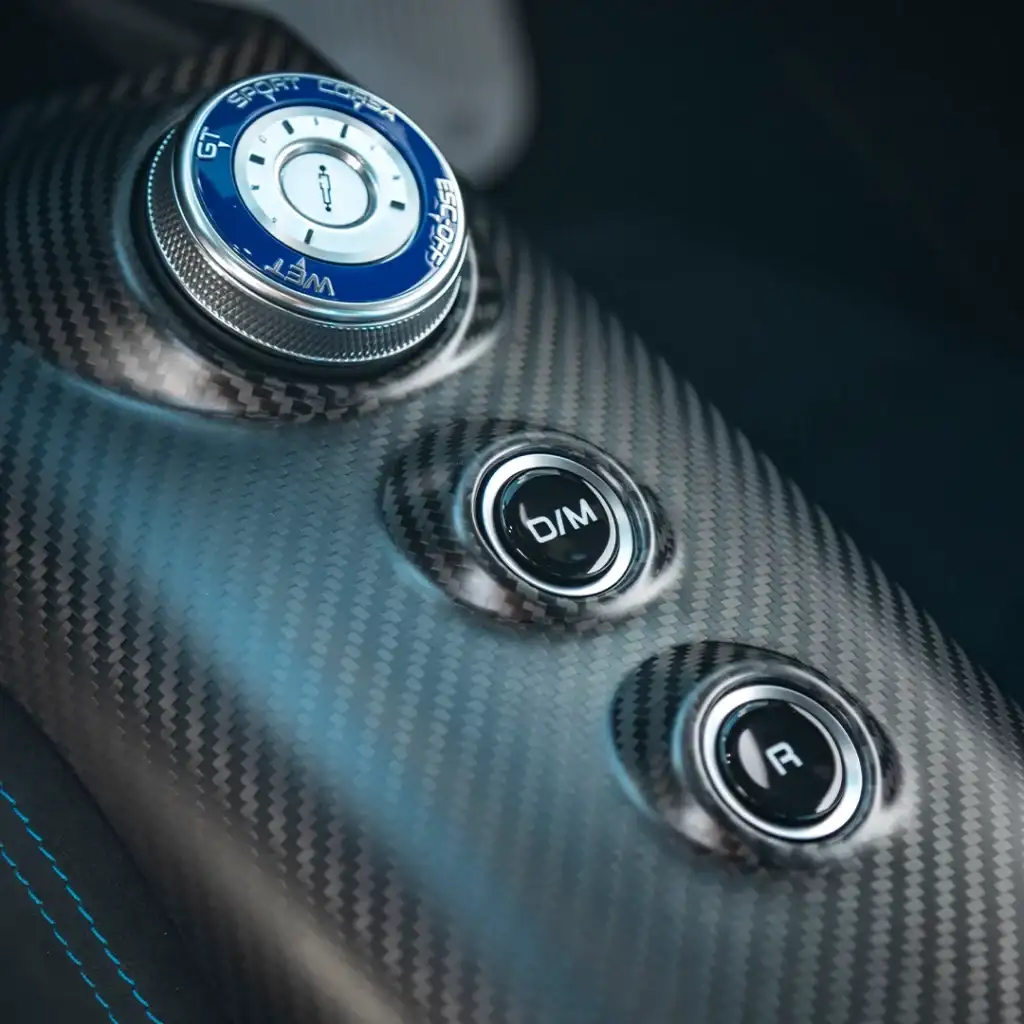
Maserati ownership | console
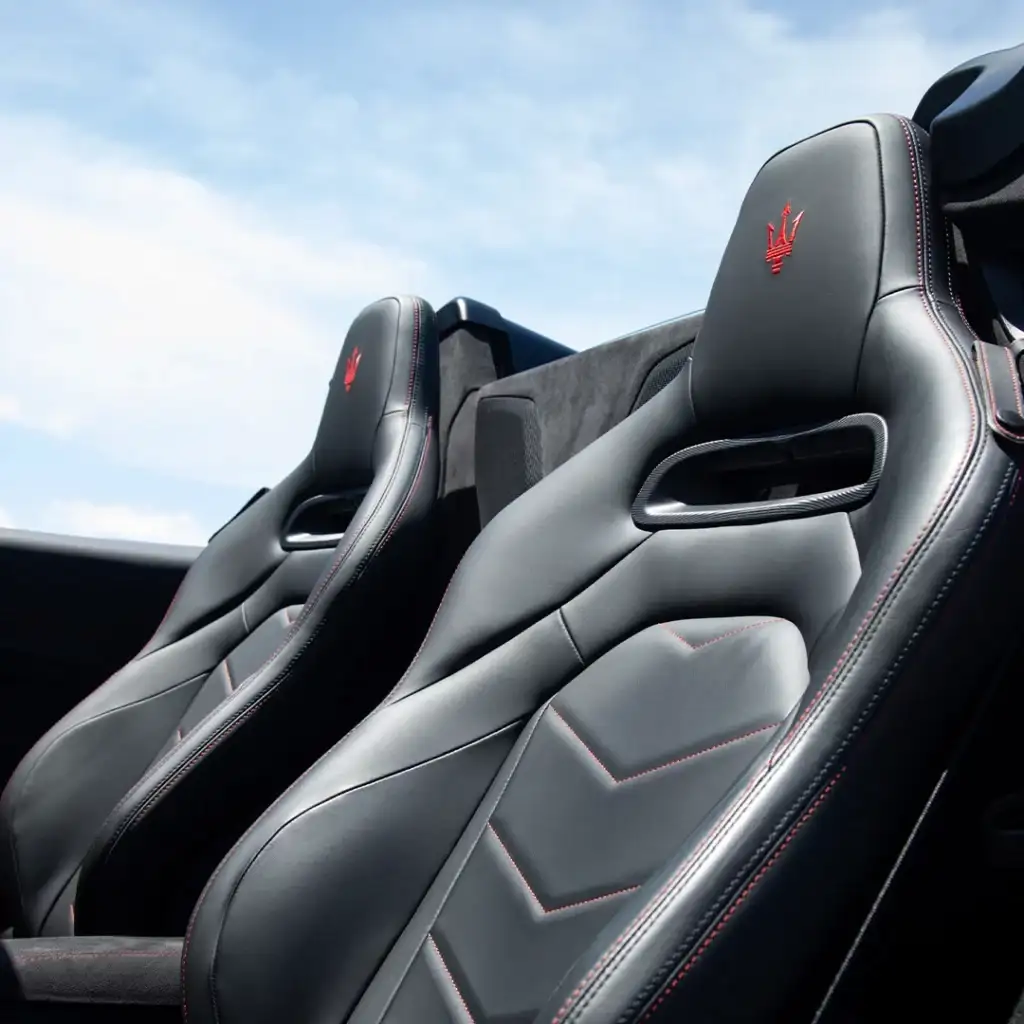
Maserati ownership | interior seats

Synchronization & Thermal Balance

Hybrid Maseratis rely on precise coordination between mechanical and electrical systems.

Authorized diagnostics confirm that:

  • Power delivery remains balanced
  • Battery management systems operate correctly
  • Cooling systems maintain stable operating temperatures

Maintaining this alignment preserves smooth acceleration, stable energy recovery, and consistent driving refinement.

The Usage Factor

Hybrid systems benefit from regular driving and balanced charge cycles. Extended storage or frequent short trips can gradually affect battery condition.

Consistent use helps maintain proper charge balance, ensuring electric assistance remains available and the driving experience stays smooth and responsive.

Fully Electric Maserati Platforms: Maintenance Without an Engine

While all Maserati vehicles follow the same ownership philosophy, maintenance emphasis shifts depending on how each platform manages weight, heat, and performance. The goal isn’t more service—it’s better-matched care based on how the vehicle is engineered and driven.

Battery Systems & Thermal Oversight

In Folgore models, long-term vehicle health centers on battery stability and thermal management. Authorized service verifies battery performance, cooling efficiency, and proper synchronization of software and control modules.

Routine diagnostics typically confirm:

  • battery system stability
  • cooling circuit performance
  • software calibration and module communication

These checks help maintain charging efficiency, power delivery, and long-term battery health.

What Stays, What Changes

Even without an engine, a fully electric Maserati still requires routine inspection.

Regenerative braking may reduce brake wear, but brakes, tires, suspension, and alignment still require monitoring. Brake fluid and coolant also follow time-based service intervals.

Folgore maintenance focuses on electrical and thermal system balance rather than mechanical replacement.

The table below summarizes how maintenance priorities change across Maserati’s electrified powertrains.

Powertrain Key Maintenance Focus
Mild Hybrid (48V) Hybrid battery health, electric assist calibration, software diagnostics
High-Voltage Hybrid Systems High-voltage battery monitoring, thermal management, charging system checks
Folgore EV Battery health verification, cooling system performance, software calibration

Battery Systems & Long-Term Health

In Hybrid and Folgore Maserati models, the battery is a managed system rather than a consumable part. Long-term performance depends on thermal stability, consistent use, and periodic diagnostics that verify system balance over time.

Thermal Integrity: The Primary Protector

Heat is the main stress factor for high-voltage batteries. Maserati systems use active cooling to regulate temperature during driving and charging.

Authorized service verifies:

  • Cooling circuit performance
  • Proper coolant flow through battery systems
  • Thermal system efficiency during operation

Folgore models may also condition the battery during fast charging to help protect internal components and maintain consistent performance.

The Verification Model

Unlike combustion engines that age primarily with mileage, battery systems age based on charge cycles and operating conditions.

Routine diagnostics monitor:

  • Battery performance and charge balance
  • System stability across battery cells
  • Overall electrical system health

These checks help maintain stable performance and long-term reliability.

Regenerative Braking & Energy Recovery

Electrified Maserati models recover energy during deceleration through regenerative braking, redirecting energy back into the battery.

This improves efficiency and can reduce brake wear, though periodic brake inspection remains important. Authorized diagnostics help ensure regenerative systems remain properly calibrated.

Thermal Management & Climate Considerations

Thermal management plays a central role in the reliability of hybrid and Folgore Maserati models. Electrified systems must operate within controlled temperature ranges to protect battery health, charging performance, and driving range.

Active Cooling Systems

Electrified Maseratis use liquid cooling to regulate the battery, motors, and power electronics during driving and charging. Authorized service verifies that cooling circuits, pumps, valves, and sensors operate correctly.

Climate Awareness

In warmer environments, managing starting temperatures helps reduce cooling demand and support overall system efficiency.

Habits That Support the System

A few simple habits help the vehicle’s built-in protections operate at their best: pre-condition the vehicle while plugged in to stabilize temperature favor overnight Level 2 charging to reduce thermal load park in shaded or climate-controlled areas when possible When temperature remains controlled, the vehicle maintains the smooth performance and responsiveness expected from a Maserati, regardless of climate.
Maserati ownership | nettuno
Maserati ownership | interior console
Maserati ownership | grecale

Software Updates, Diagnostics & System Calibration

In electrified Maserati models, software acts as the vehicle’s central control system, managing power delivery, thermal protection, and battery health in real time. Maintenance therefore focuses on verification and calibration to ensure digital systems remain aligned as components naturally age.

Diagnostics: Monitoring System Health

Modern Maserati diagnostics go beyond basic error-code scanning. Authorized service evaluates the health of the high-voltage system to identify changes before they affect performance.

Diagnostics may review:

  • Battery cell balance and system stability
  • Thermal efficiency during charging or heavy use
  • Regenerative braking performance during deceleration

These checks help detect subtle changes and maintain consistent vehicle performance.

Calibration: The Digital Tune-Up

As batteries and motors age, software calibration adjusts the vehicle’s operating model to maintain smooth power delivery and accurate battery management.

Rather than restoring lost performance, calibration helps preserve the refined driving character Maserati is known for, allowing electrified models to remain smooth, responsive, and predictable throughout ownership.

Charging, Storage & Non-Use Best Practices

Electrified Maserati ownership benefits from consistent charging and storage habits that support long-term battery stability. Folgore models support both AC and DC charging, allowing owners to charge at home with Level 2 systems or use public fast-charging networks when traveling.

Unlike traditional vehicles that can sit indefinitely, hybrid and electric systems perform best when charge levels and temperatures remain balanced.

Charging Habits

Daily charging patterns influence battery longevity more than mileage alone.

Best practices include:

  • favoring Level 2 charging for regular use
  • reserving DC fast charging primarily for travel
  • avoiding prolonged storage at extreme charge levels

These habits help reduce thermal stress and maintain consistent battery performance.

Storage & Non-Use

Electrified Maseratis respond best to regular use rather than extended inactivity. When a vehicle must remain parked for long periods, maintaining moderate charge levels and stable storage temperatures helps preserve battery balance and system readiness. With balanced charging and storage practices, electrified Maseratis remain efficient, responsive, and ready for the road.

Why Authorized Maserati Service Matters for Electrified Vehicles

Maserati’s electrified platforms operate as integrated systems. Authorized service helps maintain alignment across software, battery systems, and diagnostics, ensuring updates and calibrations follow factory standards.

Routine system verification supports predictable maintenance and long-term ownership clarity.

The Network Advantage

Electrified Maseratis rely on specialized diagnostics and high-voltage systems managed through the authorized service network.

Authorized service provides factory diagnostic tools for hybrid and Folgore platforms, certified high-voltage handling, and manufacturer-issued software updates — helping electrified systems remain properly synchronized as the vehicle ages.

Documentation as an Ownership Asset

In modern electrified vehicles, service records represent more than routine maintenance—they provide traceable documentation of system integrity.

Consistent records help preserve:

  • warranty continuity
  • verified software update history
  • long-term resale confidence

When service history remains complete and factory-recognized, ownership stays clear, predictable, and fully supported over time.

how to buy a Maserati | angled

Common Hybrid & Electric Maserati Maintenance Mistakes

Most issues in hybrid and Folgore Maserati models don’t come from component failure. They usually result from applying traditional combustion-era habits to electrified systems.

Usage Pitfalls

Charging habits affect battery stability. Frequent fast charging or storing the vehicle at very low or very high charge levels can increase battery stress. Electrified Maseratis generally perform best when driven regularly and kept within balanced charge levels.

Digital & Diagnostic Gaps

Electrified vehicles rely heavily on software coordination. Skipping updates can affect efficiency, torque delivery, and thermal protection. Keeping software current helps maintain proper system performance.

Documentation Risk

Service history remains important for electrified vehicles. Servicing high-voltage systems outside the authorized network can disrupt documentation continuity. Maintaining a factory-recognized service record supports warranty clarity and long-term ownership confidence.

Confidence That Compounds

Well-kept records reduce friction at every stage of ownership—from trade-in evaluations to unexpected repairs. In the Maserati ecosystem, confidence doesn’t come from hoping the car is perfect; it comes from verifiable continuity.

Records don’t just track the car’s past—they protect its future.

Maserati Maintenance Costs: What to Expect

Maserati maintenance costs are often misunderstood because they are discussed without context. In practice, these expenses are shaped more by consistency and planning than by unexpected failures. At a high level, the budget for a Maserati focuses on a known rhythm: scheduled time-based service, wear items like tires and brakes, and the diagnostic synchronization required by modern, software-driven platforms.

When service follows these factory-aligned intervals, ownership feels settled and transparent rather than unpredictable.

Why Costs Vary

Higher-than-expected expenses are rarely random. They typically come from deferred service that compounds, incomplete history that increases diagnostic labor, extended stagnation that stresses seals and batteries, or environmental neglect in heat and coastal conditions.

Key Takeaways

  • Maserati maintenance is about continuity, not correction: Consistent, documented care keeps the vehicle composed rather than reactive.
  • Time-based service matters more than mileage: Fluids, seals, electronics, and software age with time—even in low-mileage cars.
  • Authorized service preserves drivability and value: Factory diagnostics, calibration tools, and software access maintain system harmony.
  • Modern Maseratis are digital as well as mechanical: Software synchronization and calibration are now core maintenance items.
  • Florida ownership requires environmental awareness: Heat, humidity, and salt air make proactive care and storage essential.
  • Service records are a financial asset: Clear documentation simplifies diagnostics and protects long-term equity.

Frequently Asked Questions

Maserati maintenance follows time-based service intervals, not mileage alone. Most models require annual service even if the vehicle is driven infrequently, ensuring fluids, seals, electronics, and software systems remain aligned.

Maserati maintenance costs are comparable to other premium European brands when serviced consistently. Costs become higher primarily when maintenance is deferred or service history is incomplete.

Independent specialists can handle certain routine items, but authorized Maserati service provides factory diagnostics, software updates, and calibration tools that independents often cannot access. For modern models, authorized care offers clearer long-term confidence.

Skipping scheduled service can lead to software desynchronization, fluid degradation, and premature wear. While the car may continue to drive normally at first, deferred care often results in higher costs later.

Yes. Low-mileage Maseratis still require regular service. Fluids age, batteries discharge, seals dry out, and software systems can drift — making time-based care essential even for lightly driven vehicles.

Service records are critical. Complete documentation improves diagnostic accuracy, simplifies future service, strengthens resale value, and supports long-term ownership confidence.

Electrified Maseratis experience less mechanical wear, but they require more frequent software, thermal, and system diagnostics. Maintenance shifts from friction-based components to digital alignment and cooling system oversight.

Yes. Heat, humidity, and salt air accelerate fluid breakdown, corrosion risk, and interior wear. Florida owners benefit from proactive service intervals, climate-controlled storage, and regular inspections.

Most routine services are completed within one business day, depending on diagnostics and parts availability. Software updates and calibrations are typically performed during scheduled maintenance.

Yes. Modern Maseratis rely on periodic factory software and calibration updates to maintain consistent performance, drivability, and system integration.

Absolutely. Maseratis with documented, continuous service history often command stronger resale confidence and avoid the steep depreciation associated with poorly maintained examples.

Frequently Asked Questions

Electrified Maseratis shift maintenance away from combustion-related wear and toward battery health, thermal management, and software calibration. Service focuses more on system verification and diagnostics rather than replacing mechanical components.

Fully electric models eliminate many traditional services such as oil changes and spark plug replacement. However, maintenance still includes battery system monitoring, cooling system checks, software updates, and chassis inspections.

Battery longevity depends on temperature management, charging habits, and consistent use. With proper care and stable operating conditions, modern Maserati battery systems are designed to deliver reliable performance for many years.

Occasional DC fast charging is fully supported. For everyday use, Level 2 charging is generally preferred because it generates less heat and helps maintain stable battery conditions over time.

Extended inactivity can affect battery balance, especially if the vehicle is stored at very low or very high charge levels. Periodic driving or proper storage practices help maintain system stability.

Authorized Maserati service provides factory diagnostics, software updates, and certified handling of high-voltage systems. Maintaining service continuity also helps preserve documentation that supports long-term ownership confidence.

Yes. Software manages power delivery, battery protection, and thermal systems. Keeping calibration current helps ensure the vehicle continues operating smoothly and efficiently over time.

Yes. Consistent service records and documented system checks help reduce uncertainty for future buyers, supporting stronger resale confidence for electrified vehicles.

For some owners, yes. Hybrid models retain traditional refueling while adding electrified efficiency, whereas fully electric models place greater emphasis on charging habits and storage planning.

Key Takeaways

  • Electrified Maseratis are managed systems:
    Reliability depends on battery health, thermal stability, and software alignment—not traditional mechanical service.
  • Battery longevity depends on consistent habits:
    Balanced charging, moderate storage levels, and regular driving help maintain stable battery performance over time.
  • Heat and software management play a central role:
    Thermal stability, system diagnostics, and software calibration help preserve efficiency and power delivery.
  • Authorized service protects long-term ownership confidence:
    Factory diagnostics and documented service history help maintain warranty clarity and resale credibility.

Next Steps

Maserati ownership is a partnership between driver and machine. In the electrified era, that partnership depends on consistent care, authorized service, and clear documentation that keeps systems aligned over time.

For a broader perspective on how electrified maintenance fits into the full ownership experience, explore the Maserati Ownership Guide, which outlines long-term stewardship beyond routine service.

With the systems synchronized and the foundation in place, ownership moves beyond the technical and into the experience itself.

Your Maserati is ready for the road.

On the same topic

Menu

Maserati of Fort Lauderdale 26.199030, -80.109850.