Maserati Maintenance Guide:
Service Schedule, Costs & What Owners Should Expect

Maserati Ownership Guide
Maserati Ownership Guide Menu ▲

Table of Contents

How Maserati Maintenance Works

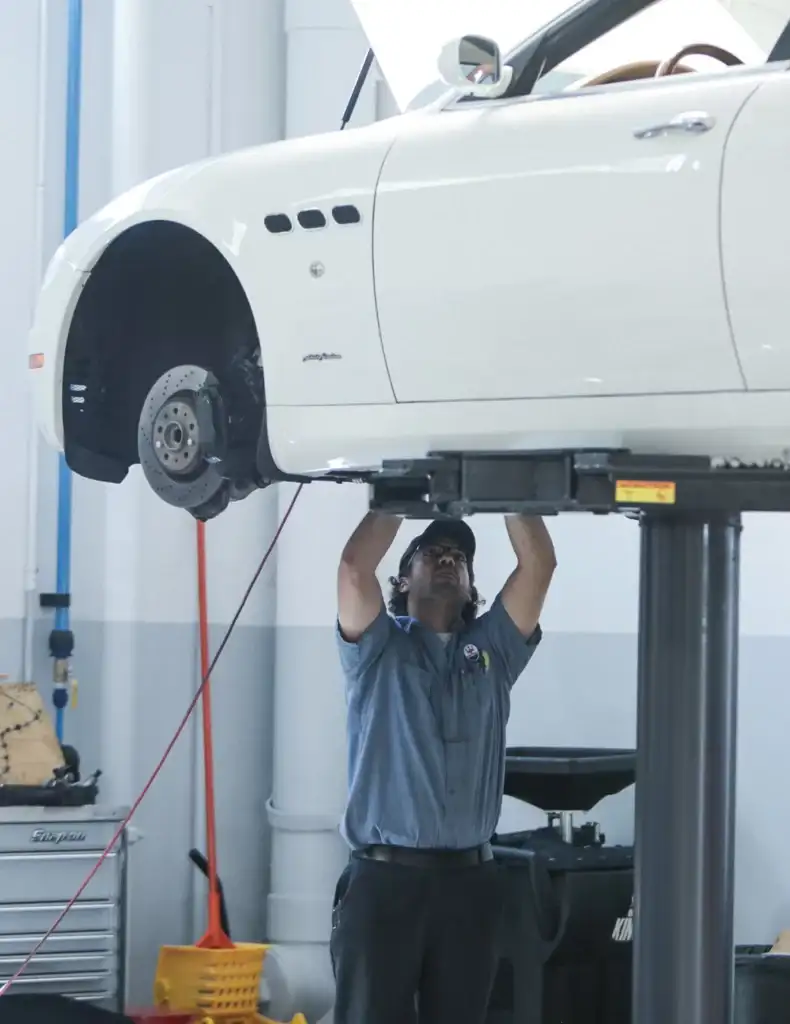
Maserati maintenance follows a time-based service schedule performed through authorized Maserati service centers. Rather than relying only on mileage, Maserati uses scheduled inspections, software diagnostics, and factory-aligned procedures to preserve performance, reliability, and long-term ownership confidence.

Maintenance at a Glance

Maserati maintenance prioritizes consistency over complexity. When service is performed on schedule and properly documented, ownership costs stay more predictable and the driving experience remains composed.

At a high level, Maserati maintenance includes:

  • Time-based service intervals, not mileage alone

  • Diagnostic inspections and software checks

  • Authorized service that preserves system alignment

  • Documented service history that supports confidence and resale

New vs Used Maserati

How Maserati Maintenance Is Structured

Maserati maintenance follows a structured service schedule designed to preserve performance, reliability, and driving character over time. Rather than reacting to problems after they appear, routine service keeps mechanical systems, software calibration, and wear components aligned before issues develop.

When maintenance is performed on schedule, the vehicle continues to feel composed, responsive, and balanced—just as intended.

Maintenance as Continuity, Not Correction

Maserati service is guided by both calendar intervals and vehicle usage. Scheduled diagnostics monitor software systems, while inspections and fluid service maintain mechanical precision.

Routine maintenance typically includes:

  • Time-based service intervals, not mileage alone

  • Software diagnostics and system calibration checks

  • Inspection and replacement of wear components

  • Documented service records that support long-term value

By addressing service needs early, Maserati maintenance prevents small issues from becoming larger repairs. The result is a vehicle that remains stable, responsive, and enjoyable to drive year after year.

For a broader view of how maintenance fits into daily life and long-term stewardship, our Maserati Ownership Guide explains what it means to live with the brand over time. When maintenance is done right, it doesn’t complicate ownership. It simplifies it.

What Maserati Maintenance Really Means

Maserati maintenance is about preserving balance rather than reacting to failure. The objective is not simply to keep the car running, but to ensure it continues to feel as composed and responsive as the day it left Modena. When stewardship is handled correctly, ownership remains seamless—each service interval feels like a continuation of the driving experience rather than an interruption.

Maintenance as Continuity, Not Correction

This philosophy keeps mechanical and digital systems aligned before drivability begins to drift. Service is guided by the calendar as much as the odometer, diagnostics are used to maintain software harmony, and wear items are handled early so repairs don’t arrive in clusters. The result is a vehicle that continues to feel familiar—responsive, settled, and composed—year after year.

For a broader view of how maintenance fits into daily life and long-term stewardship, our Maserati Ownership Guide explains what it means to live with the brand over time. When maintenance is done right, it doesn’t complicate ownership. It simplifies it.

The Maserati Service Philosophy

Maserati service is designed to support ownership, not control it. This approach to Maserati maintenance prioritizes balance—keeping the vehicle aligned with how it is actually driven, stored, and lived with over time.

This is why Maserati ownership often feels calmer than expected. Service exists to preserve the character of the car, not to interrupt the experience of driving it.

Service as Support, Not Restriction

Maserati vehicles are engineered to be used regularly, not managed cautiously. The service model reflects that reality by using diagnostic insight to catch small deviations early, adapting to whether the car is driven daily or seasonally, and building documentation that supports confidence rather than bureaucracy. 

When service follows this approach, the car remains familiar and composed instead of progressively different after each interval.

Ownership Care & Service Documentation

Maserati service is designed to support ownership, not restrict it. The maintenance schedule keeps the vehicle aligned with how it is actually driven, stored, and used over time.

Rather than interrupting the ownership experience, routine service preserves the character of the car—keeping it composed, responsive, and familiar year after year.

Service as Support, Not Restriction

Maserati vehicles are engineered to be driven regularly, not managed cautiously. The service model reflects this by combining diagnostic insight, scheduled inspections, and documented maintenance history.

Key elements of Maserati service include:

  • Proactive diagnostics that identify small changes before they affect performance

  • Flexible service intervals that adapt to real-world driving patterns

  • Comprehensive service documentation that supports confidence and resale value

When service follows this approach, the car remains stable and consistent rather than gradually changing after each interval.

Why Authorized Maserati Service Matters

Authorized Maserati service preserves continuity across the vehicle’s mechanical and digital systems. As modern Maserati models integrate advanced electronics, adaptive components, and factory software updates, the margin for guesswork becomes smaller.

Factory-aligned service ensures that every inspection, update, and repair remains consistent with the vehicle’s original engineering. While this may seem subtle during a single visit, it plays a major role in how the car performs and ages over time.

Alignment Over Convenience

Authorized service prioritizes system-level health rather than isolated repairs. Using Maserati-specific tools and the MDEVO diagnostic ecosystem, technicians evaluate how components interact across the vehicle’s broader architecture.

The practical advantages include:

  • Factory software access for modules, updates, campaigns, and recalls

  • Genuine Maserati parts that maintain factory engineering integrity

  • Verified service records that strengthen long-term value and ownership confidence

Independent specialists can sometimes address individual issues. However, missing software updates or non-standard repairs may gradually affect how the vehicle behaves.

Authorized Maserati service helps ensure that mechanical and digital systems remain synchronized as the car ages.

It doesn’t limit ownership — it protects the integrity of the vehicle.

What Routine Maserati Service Includes

Routine Maserati maintenance is designed to preserve balance rather than react to problems. The goal is not only reliability, but ensuring the vehicle continues to feel composed, responsive, and consistent as mileage and time increase.

Rather than focusing on individual components, Maserati service evaluates the vehicle as a complete system—keeping mechanical performance, electronics, and driving dynamics working in harmony.

At a Practical Level

Routine Maserati service typically focuses on several key areas of vehicle health.

These include:

  • Fluid integrity checks and replacements for engine oil, brake fluid, and cooling systems

  • Chassis and braking evaluations to maintain stability and stopping performance

  • Tire condition and alignment inspections to preserve handling balance

  • Electrical system diagnostics to monitor sensors, modules, and onboard systems

  • Factory software updates and calibrations through Maserati’s diagnostic platform

Many of these inspections are time-based rather than mileage-based, which is why even low-mileage vehicles benefit from consistent annual service.

When maintained on schedule, the car continues to drive the way Maserati intended—balanced, responsive, and composed.

Maintenance by Model & Powertrain

While all Maserati vehicles follow the same ownership philosophy, maintenance emphasis shifts depending on how each platform manages weight, heat, and performance. The goal isn’t more service—it’s better-matched care based on how the vehicle is engineered and driven.

Sedans & Grand Tourers

(Ghibli, Quattroporte, GranTurismo)

Built for sustained speed and long-distance comfort, these models benefit from consistent fluid service and precise chassis alignment.

Routine care typically centers on transmission and driveline service for smooth power delivery, suspension geometry checks to preserve high-speed stability, and HVAC and cabin filtration service to maintain interior comfort during extended drives.

When maintained consistently, these platforms retain the smooth and composed character expected of Maserati grand tourers.

SUVs

(Levante, Grecale)

SUV platforms place greater demand on braking systems, suspension calibration, and drivetrain components due to higher curb weight and varied driving environments.

Routine inspections typically focus on:

  • Brake system health and wear monitoring

  • Air suspension and ride-height calibration

  • Q4 all-wheel-drive system checks

  • Thermal management under varied driving conditions

These inspections help preserve ride quality, handling balance, and everyday usability.

Electrified Powertrains

(Folgore EV & Hybrid Models)

Electrified Maserati platforms shift maintenance away from mechanical wear and toward system verification.

Service typically focuses on battery thermal management monitoring, regenerative braking system performance, high-voltage system diagnostics, and software synchronization across vehicle systems.

These checks help ensure predictable performance and long-term system stability.

Performance Variants

(Trofeo, MC20)

High-performance platforms respond more directly to driving intensity. Tires, brakes, and cooling efficiency are treated as performance variables rather than fixed intervals.

Maintenance typically emphasizes:

  • Brake system inspection under higher thermal loads

  • Tire condition and alignment precision

  • Cooling system performance during high-output driving

This ensures power delivery and handling remain composed under demanding conditions.

The Golden Rule: Usage Over Badges

A daily-driven Grecale and a seasonally driven GranTurismo require different service rhythms—even if they share the same brand.

When service matches how the vehicle is actually used, Maserati ownership remains effortless rather than demanding.

Maserati ownership stays composed when care is tailored to the drive.

Modern Maserati Systems: Electronics & Calibration

Modern Maserati vehicles operate as integrated digital systems. Software and calibration work together to shape how the car accelerates, shifts, and responds to driver input.

When these systems remain synchronized, the vehicle feels seamless and composed. When calibration drifts, even a mechanically perfect car can feel inconsistent.

Software as a Living System

Proper stewardship keeps the vehicle synchronized through factory campaigns, module updates, and proactive diagnostics. These updates identify soft codes before they become warnings and maintain firmware that supports efficiency, shift logic, and power delivery—particularly on MHEV and Folgore platforms.

Calibration: The Bridge to Mechanical Reality

Calibration aligns digital commands with physical components. It ensures the vehicle behaves as intended after service work, tire changes, or suspension adjustments.

Common calibration procedures include:

  • Dynamic Stability: Resetting steering angle and yaw-rate reference points

  • Adaptive Damping: Synchronizing suspension modules across drive modes

  • ADAS Precision: Ensuring cameras and radar systems remain correctly aligned

The Owner’s Advantage

Electronics do not replace Maserati’s character—they help preserve it. Treating software as part of routine maintenance keeps driving feel consistent and reduces the risk of cascading electronic faults later in the vehicle’s life.

Owners of hybrid and Folgore models can explore a deeper breakdown of software, thermal systems, and charging-related care in our Hybrid & Electric Maserati Maintenance Guide.

Handled proactively, digital systems don’t complicate ownership—they preserve it.
Maserati ownership | nettuno
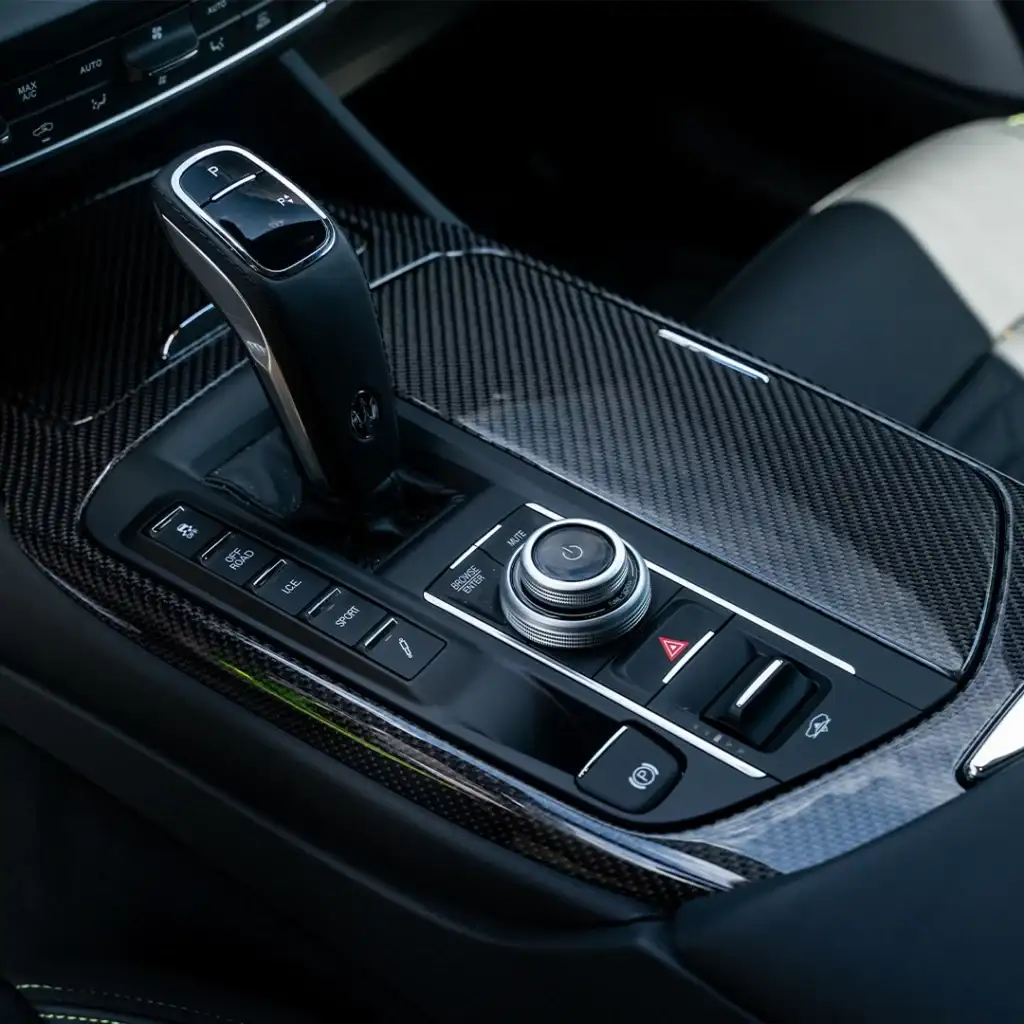
Maserati ownership | interior console
Maserati ownership | console

Environmental & Storage Considerations

Climate and storage conditions influence long-term vehicle preservation. Heat, humidity, coastal air, and extended inactivity can affect materials and mechanical systems if not managed proactively.

Environmental exposure does not inherently reduce value — but it does require thoughtful planning.

Temperature & Thermal Exposure

Sustained heat and frequent short drives can increase demand on cooling systems, lubricants, and seals. Regular inspection of thermal systems and proper storage conditions help maintain long-term stability.

Temperature differences between outdoor pavement and shaded storage can also influence tire pressure and wear patterns over time.

Humidity & Moisture

In humid or coastal environments, airborne moisture and salt exposure can accelerate corrosion on metal components.

Preventive care may include:

• periodic underbody inspection to monitor early corrosion
• seal conditioning for doors and windows to limit moisture intrusion
• regular driving cycles to prevent surface oxidation on braking components

UV Exposure & Interior Preservation

Extended sun exposure can gradually affect interior materials and painted surfaces.

Protective strategies may include:

• ceramic tint to reduce interior heat load
• leather conditioning to maintain elasticity and texture
• paint protection film or coatings to shield exterior finishes

These measures help preserve both material integrity and long-term appearance.

Ownership, Properly Matched

Environmental conditions do not complicate Maserati ownership — they simply shape how vehicles are stored, protected, and serviced.

When care routines align with operating conditions, materials age gracefully and performance remains consistent.

Prepared ownership isn’t about caution.

It’s about continuity.

Service Records as Long-Term Assets

In Maserati ownership, service records are more than administrative details—they are confidence infrastructure. Clear documentation keeps ownership settled and defensible, protecting both day-to-day peace of mind and the vehicle’s long-term value.

Documentation as Continuity

Complete records remove guesswork during service, simplify maintenance planning, and reduce uncertainty at resale.

A factory-verified service history makes the vehicle easier to evaluate, easier to maintain, and easier to defend as a long-term asset.

What to Preserve

Modern Maserati vehicles maintain digital service records within the authorized network. However, experienced owners often maintain a parallel physical or cloud-based archive to ensure long-term continuity.

Priority documentation includes:

  • Service Invoices:
    Itemized records noting part numbers, procedures performed, and software versions applied.

  • Diagnostic Reports:
    System health snapshots confirming calibration, synchronization, and fault-free operation at each visit.

  • Warranty & Coverage Records:
    Documentation of Extra10 participation, extended coverage, and factory-authorized warranty work.

  • Maserati Classiche Documentation:
    For long-term or heritage ownership, factory-issued historical records add provenance and credibility.

When records are complete, ownership remains settled. Service decisions become clearer, resale conversations are more confident, and the vehicle’s history remains coherent rather than inferred.

Confidence That Compounds

Well-kept records reduce friction at every stage of ownership—from trade-in evaluations to unexpected repairs. Within the Maserati ecosystem, confidence doesn’t come from assuming the car is perfect. It comes from verifiable continuity.

Records don’t just track the car’s past—they protect its future.

Confidence That Compounds

Well-kept records reduce friction at every stage of ownership—from trade-in evaluations to unexpected repairs. In the Maserati ecosystem, confidence doesn’t come from hoping the car is perfect; it comes from verifiable continuity.

Records don’t just track the car’s past—they protect its future.

Maserati Maintenance Costs: What to Expect

Maserati maintenance costs are often misunderstood because they are discussed without context. In practice, these expenses are shaped more by consistency and planning than by unexpected failures. At a high level, the budget for a Maserati focuses on a known rhythm: scheduled time-based service, wear items like tires and brakes, and the diagnostic synchronization required by modern, software-driven platforms.

When service follows these factory-aligned intervals, ownership feels settled and transparent rather than unpredictable.

Why Costs Vary

Higher-than-expected expenses are rarely random. They typically come from deferred service that compounds, incomplete history that increases diagnostic labor, extended stagnation that stresses seals and batteries, or environmental neglect in heat and coastal conditions.

Maserati Maintenance Costs: What to Expect

Maserati maintenance costs are often misunderstood because they’re discussed without context. In practice, ownership expenses are shaped more by consistency and planning than by unexpected failures.

Most Maserati maintenance budgets follow a predictable rhythm built around:

  • Scheduled time-based service performed at factory-recommended intervals

  • Wear components such as tires, brake pads, and brake rotors

  • Diagnostic calibration and software updates required by modern vehicle systems

When service follows these factory-aligned intervals, ownership feels structured and transparent rather than unpredictable.

Why Costs Vary

Higher-than-expected expenses are rarely random. They usually come from delayed maintenance or gaps in the vehicle’s service history.

Common factors that influence Maserati maintenance costs include:

  • Deferred service that compounds over time

  • Incomplete service records that increase diagnostic labor

  • Extended storage that stresses seals, batteries, and braking components

  • Environmental exposure such as heat, humidity, and coastal conditions

When maintenance remains consistent and well-documented, Maserati ownership costs tend to stay predictable rather than escalating unexpectedly.

The Reality for the Intentional Owner

While Maserati maintenance is not inexpensive, it is manageable when handled correctly. Owners who service on time and maintain meticulous records experience ownership as a composed, rewarding process. By matching your service cadence to how the car is actually used, you ensure that maintenance supports the driving experience instead of distracting from it.

For a wider financial perspective beyond service alone, our Maserati Ownership Costs Guide outlines how maintenance fits into the full ownership equation.

When approached proactively, the cost of care is simply the price of preserving the car’s soul.

Common Maserati Maintenance Mistakes

Most Maserati issues aren’t engineering failures—they’re stewardship mismatches. Avoiding a few common patterns preserves both drivability and long-term ownership confidence.

The Mileage-Only Trap

Waiting for the odometer instead of the calendar allows fluids to degrade, seals to dry, and software to drift out of synchronization.

A car that sits untouched for a year often suffers more than one driven regularly with proper care.

The Digital Drift

Modern Maseratis rely on system synchronization. Skipping minor software updates or failing to recalibrate after battery service can subtly change throttle response, shifting behavior, and overall driving feel—long before warning lights appear.

The Stewardship Gap

Fragmented service history introduces diagnostic uncertainty. Without continuity, small issues take longer to resolve and resale confidence declines.

The Simple Rule

When care is consistent, documented, and proactive, maintenance stops feeling risky—and begins to feel reassuring.

Key Takeaways

  • Maserati maintenance is about continuity, not correction: Consistent, documented care keeps the vehicle composed rather than reactive.
  • Time-based service matters more than mileage: Fluids, seals, electronics, and software age with time—even in low-mileage cars.
  • Authorized service preserves drivability and value: Factory diagnostics, calibration tools, and software access maintain system harmony.
  • Modern Maseratis are digital as well as mechanical: Software synchronization and calibration are now core maintenance items.
  • Florida ownership requires environmental awareness: Heat, humidity, and salt air make proactive care and storage essential.
  • Service records are a financial asset: Clear documentation simplifies diagnostics and protects long-term equity.

Frequently Asked Questions

Maserati maintenance follows time-based service intervals, not mileage alone. Most models require annual service even if the vehicle is driven infrequently, ensuring fluids, seals, electronics, and software systems remain aligned.

Maserati maintenance costs are comparable to other premium European brands when serviced consistently. Costs become higher primarily when maintenance is deferred or service history is incomplete.

Independent specialists can handle certain routine items, but authorized Maserati service provides factory diagnostics, software updates, and calibration tools that independents often cannot access. For modern models, authorized care offers clearer long-term confidence.

Skipping scheduled service can lead to software desynchronization, fluid degradation, and premature wear. While the car may continue to drive normally at first, deferred care often results in higher costs later.

Yes. Low-mileage Maseratis still require regular service. Fluids age, batteries discharge, seals dry out, and software systems can drift — making time-based care essential even for lightly driven vehicles.

Service records are critical. Complete documentation improves diagnostic accuracy, simplifies future service, strengthens resale value, and supports long-term ownership confidence.

Electrified Maseratis experience less mechanical wear, but they require more frequent software, thermal, and system diagnostics. Maintenance shifts from friction-based components to digital alignment and cooling system oversight.

Yes. Heat, humidity, and salt air accelerate fluid breakdown, corrosion risk, and interior wear. Florida owners benefit from proactive service intervals, climate-controlled storage, and regular inspections.

Most routine services are completed within one business day, depending on diagnostics and parts availability. Software updates and calibrations are typically performed during scheduled maintenance.

Yes. Modern Maseratis rely on periodic factory software and calibration updates to maintain consistent performance, drivability, and system integration.

Absolutely. Maseratis with documented, continuous service history often command stronger resale confidence and avoid the steep depreciation associated with poorly maintained examples.

Frequently Asked Questions

Maserati maintenance follows time-based service intervals, not mileage alone. Most models require annual service even if the vehicle is driven infrequently, ensuring fluids, seals, electronics, and software systems remain aligned.

Maserati maintenance costs are comparable to other premium European brands when serviced consistently. Costs become higher primarily when maintenance is deferred or service history is incomplete.

Independent specialists can handle certain routine items, but authorized Maserati service provides factory diagnostics, software updates, and calibration tools that independents often cannot access. For modern models, authorized care offers clearer long-term confidence.

Skipping scheduled service can lead to software desynchronization, fluid degradation, and premature wear. While the car may continue to drive normally at first, deferred care often results in higher costs later.

Yes. Low-mileage Maseratis still require regular service. Fluids age, batteries discharge, seals dry out, and software systems can drift — making time-based care essential even for lightly driven vehicles.

Service records are critical. Complete documentation improves diagnostic accuracy, simplifies future service, strengthens resale value, and supports long-term ownership confidence.

Electrified Maseratis experience less mechanical wear, but they require more frequent software, thermal, and system diagnostics. Maintenance shifts from friction-based components to digital alignment and cooling system oversight.

Most routine services are completed within one business day, depending on diagnostics and parts availability. Software updates and calibrations are typically performed during scheduled maintenance.

Yes. Modern Maseratis rely on periodic factory software and calibration updates to maintain consistent performance, drivability, and system integration.

Absolutely. Maseratis with documented, continuous service history often command stronger resale confidence and avoid the steep depreciation associated with poorly maintained examples.

Key Takeaways

  • Maserati maintenance is about continuity, not correction: Consistent, documented care keeps the vehicle composed rather than reactive.
  • Time-based service matters more than mileage: Fluids, seals, electronics, and software age with time—even on low-mileage vehicles.
  • Authorized service preserves drivability and value: Factory diagnostics, calibration tools, and software access maintain system harmony.
  • Modern Maseratis are both digital and mechanical: Software synchronization and calibration are now essential maintenance elements.
  • Environmental conditions influence long-term preservation: Heat, humidity, and extended inactivity require thoughtful storage and proactive care.
  • Service records function as ownership assets: Clear documentation supports diagnostics, resale transparency, and long-term value.

Next Steps

Maserati ownership works best when care is approached with intention rather than urgency. When service follows a consistent rhythm—aligned with how the car is driven, stored, and supported—the experience remains composed and rewarding over time.

Whether you’re planning upcoming maintenance, reviewing service history, or establishing a long-term care strategy, the next step is clarity. Working with an experienced Maserati service team helps ensure diagnostics, software, and mechanical systems remain aligned—so ownership stays focused on driving, not managing.

Maserati maintenance isn’t about doing more.

It’s about doing the right things, at the right time.

On the same topic

Menu

Maserati of Fort Lauderdale 26.199030, -80.109850.