
Hours:
Open Today Sales: 9 AM-7 PMOpen Today Service: 8 AM-6 PM
Location
Home > Blog > Maserati Life > Where Are Maseratis Made? Italy, Factories & Production Explained
Share this post:
Maserati vehicles are designed, engineered, and manufactured in Italy.
Production is centered across specialized automotive ecosystems in Modena, Turin, and Cassino. Although Maserati operates under Stellantis, the brand continues to keep its manufacturing rooted in Italy to preserve its heritage, craftsmanship, and performance identity.
| Facility | Primary Focus | Key Models / Current Role |
|---|---|---|
| Modena (Viale Ciro Menotti) | Supercars, grand tourers, customization, and engine assembly | MC20, MC20 Cielo, GranTurismo, GranCabrio, Nettuno V6 |
| Turin (Mirafiori Plant) | Engineering support and EV platform development | Folgore systems and Stellantis EV architecture |
| Cassino (Piedimonte San Germano) | Luxury SUV and midsize platform production | Grecale (gas, hybrid, and Folgore) |
Maserati was founded in Bologna, Italy in 1914 by the Maserati brothers.
The company originally focused on racing technology, performance engineering, and race car development before expanding into road cars.
In 1940, Maserati moved its headquarters to Modena, where the brand remains today.
That move placed Maserati in the center of Italy’s legendary Motor Valley, helping shape the brand’s identity around Italian craftsmanship, engineering, and performance.
Maserati production has evolved from hand-built racing workshops into a modern network of advanced manufacturing facilities across Italy.
Maserati began in Bologna as a small racing workshop focused on engineering and handcrafted race cars.
In 1940, Maserati relocated to the Viale Ciro Menotti facility in Modena, establishing its long-term home within Italy’s Motor Valley.
As production expanded, Maserati added advanced automated manufacturing capabilities through the Cassino facility, which now supports Grecale SUV production.
During the 2010s, Maserati expanded into Turin through the Mirafiori and Grugliasco facilities to support larger-scale luxury vehicle and EV production.
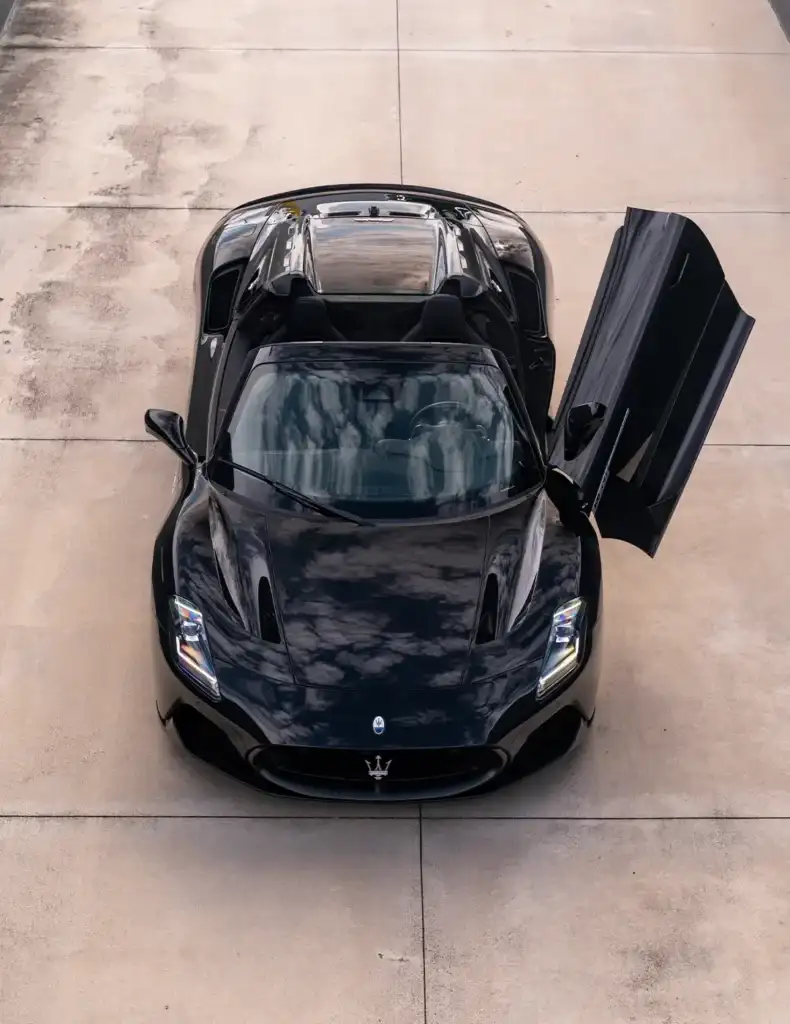
Today, Maserati production is centered across three primary manufacturing hubs in Italy.
To better balance craftsmanship, scalability, and electrification, Maserati distributes production across specialized sites in Modena, Turin, and Cassino.
The Viale Ciro Menotti facility in Modena serves as the center of Maserati’s modern production identity.
Located in Piedimonte San Germano, the plant uses advanced automation and flexible assembly systems to support gas, hybrid, and electric vehicle production.
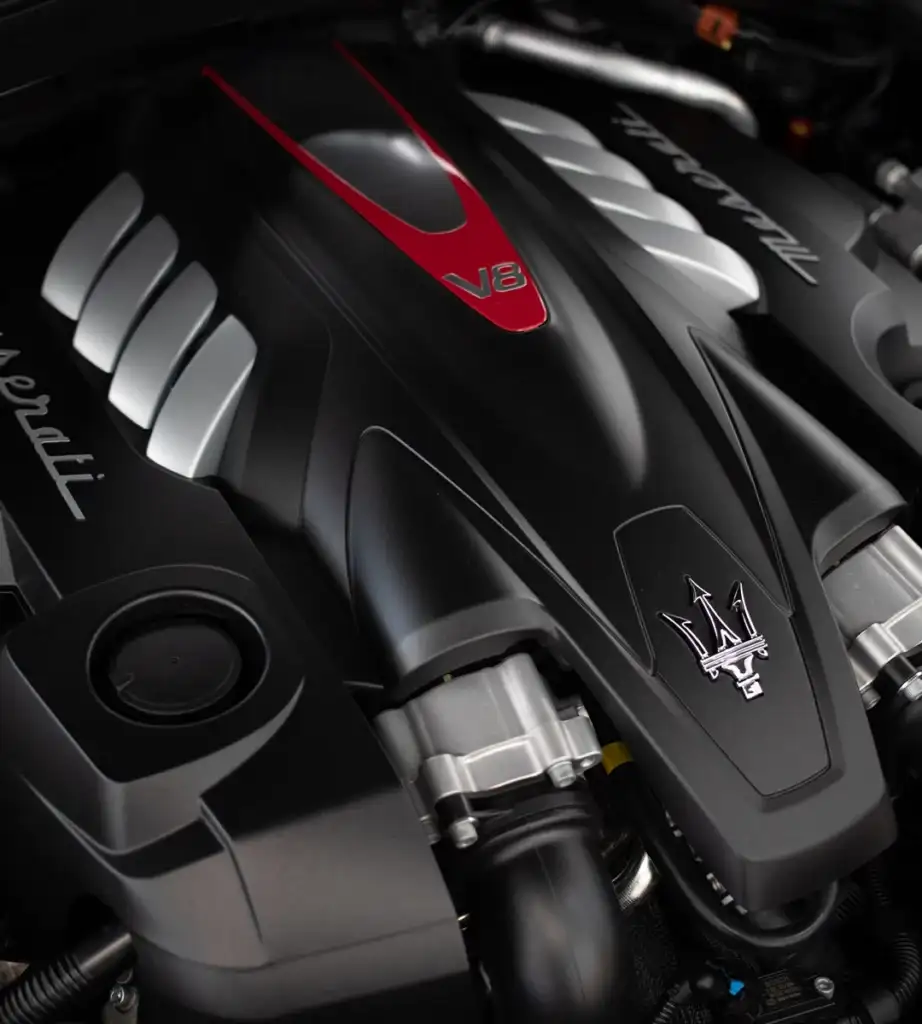
The Nettuno V6 marked Maserati’s return to fully in-house engine development.
Built in Modena, the engine represents a major shift away from Ferrari-supplied powertrains and establishes Maserati’s modern performance identity around proprietary engineering.
The Nettuno engine now serves as one of the clearest examples of Maserati’s modern engineering independence.
Understanding where Maseratis are made offers a deeper look into the brand’s engineering, craftsmanship, and performance philosophy.
From the handcrafted MC20 in Modena to the Grecale SUV produced in Cassino, each Maserati reflects a different part of the brand’s modern manufacturing identity.
Explore the latest Maserati models, performance technologies, and available inventory to experience how Italian design and engineering continue shaping the modern Trident lineup.
Maserati vehicles are manufactured in Italy across multiple production facilities, including Modena, Turin, and Cassino.
Yes. Maserati designs, engineers, and manufactures its vehicles in Italy.
Maserati’s headquarters are located in Modena, Italy, at the historic Viale Ciro Menotti facility.
The Maserati MC20 and MC20 Cielo are built in Modena at the Viale Ciro Menotti factory.
The Maserati Grecale is produced at the Cassino plant in Piedimonte San Germano, Italy.
The Nettuno V6 engine is machined, assembled, and tested in Modena, Italy.
No. Modern Maserati flagship vehicles use the brand’s in-house developed Nettuno V6 engine, which is built in Modena.
Yes. Modena remains the center for Maserati’s flagship vehicle production, Nettuno engine assembly, and Fuoriserie customization.
The Maserati Levante was produced at the Mirafiori facility in Turin before production ended under Stellantis.
The former Grugliasco plant previously produced the Ghibli and Quattroporte before operations were consolidated into the Mirafiori complex.
Modern Maseratis combine automated manufacturing with hand-finished craftsmanship, particularly in flagship models produced in Modena.
Maserati vehicles are manufactured in Italy across multiple production facilities, including Modena, Turin, and Cassino.
Yes. Maserati designs, engineers, and manufactures its vehicles in Italy.
Maserati’s headquarters are located in Modena, Italy, at the historic Viale Ciro Menotti facility.
The Maserati MC20 and MC20 Cielo are built in Modena at the Viale Ciro Menotti factory.
The Maserati Grecale is produced at the Cassino plant in Piedimonte San Germano, Italy.
The Nettuno V6 engine is machined, assembled, and tested in Modena, Italy.
No. Modern Maserati flagship vehicles use the brand’s in-house developed Nettuno V6 engine, which is built in Modena.
Yes. Modena remains the center for Maserati’s flagship vehicle production, Nettuno engine assembly, and Fuoriserie customization.
The Maserati Levante was produced at the Mirafiori facility in Turin before production ended under Stellantis.
The former Grugliasco plant previously produced the Ghibli and Quattroporte before operations were consolidated into the Mirafiori complex.
Modern Maseratis combine automated manufacturing with hand-finished craftsmanship, particularly in flagship models produced in Modena.