What Engine Does Maserati Use? Ferrari, Nettuno & Modern Engines
Home > Blog > Maserati Life > What Engine Does Maserati Use? Ferrari, Nettuno & Modern Engines
Author: Maserati of Fort Lauderdale
June 8, 2026
Share this post:
Facebook
Twitter
LinkedIn
Email
Table of Contents
Modern Maserati vehicles use either the brand’s in-house developed Nettuno V6 engine or Stellantis-sourced mild-hybrid powertrains.
While older Maserati models previously used Ferrari-built V6 and V8 engines, today’s flagship models—including the MC20, GranTurismo, andGrecale Trofeo—now use Maserati’s own Formula 1-derived engineering alongside the brand’s expanding Folgore electric lineup.
Find the engine in your Maserati
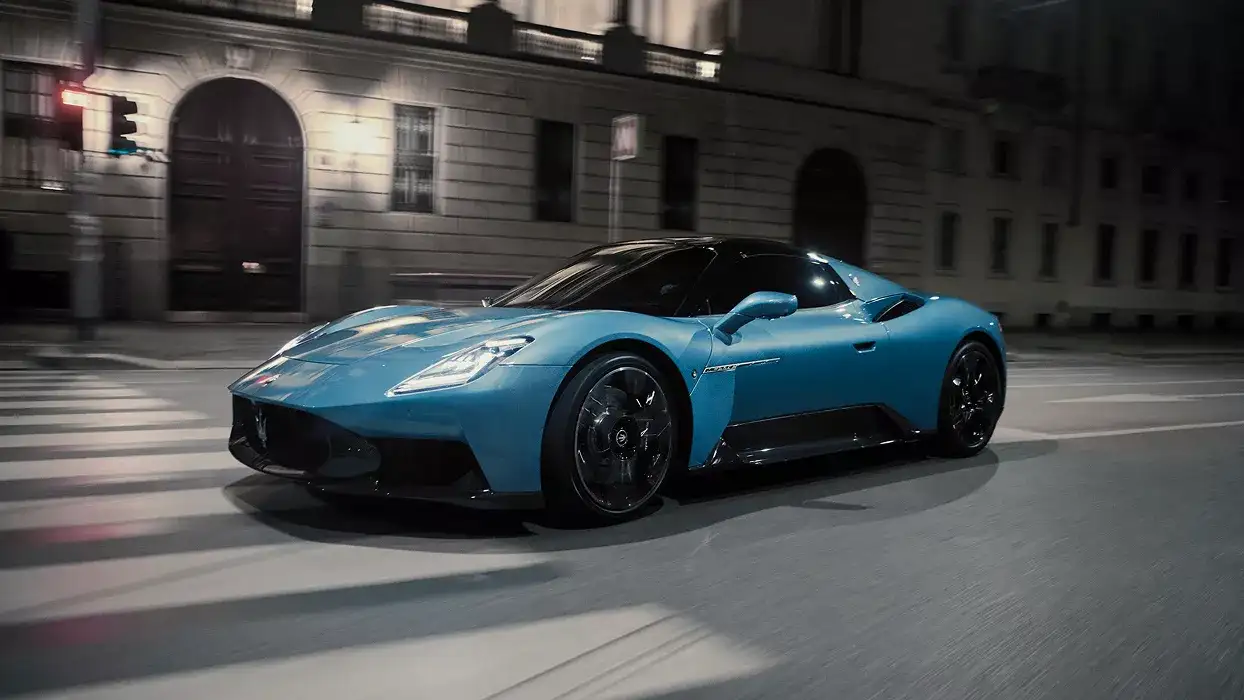
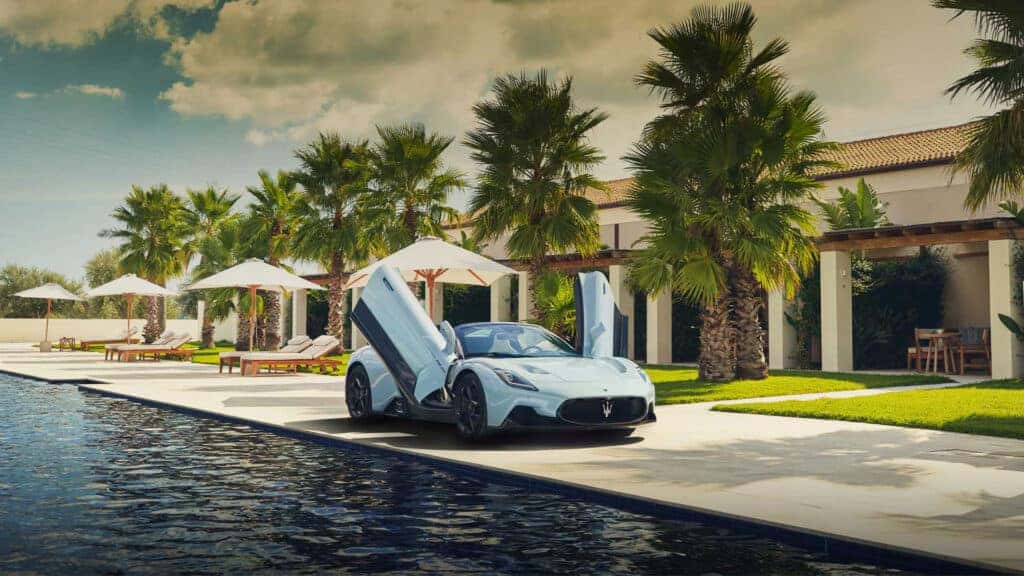
MC20 & MCPURA
Nettuno V6
Architecture
3.0L twin-turbocharged V6
Output
621 hp
Built in
Modena, Italy — in-house by Maserati
The full-output Nettuno, and the clearest statement of Maserati’s return to building its own supercar engines.
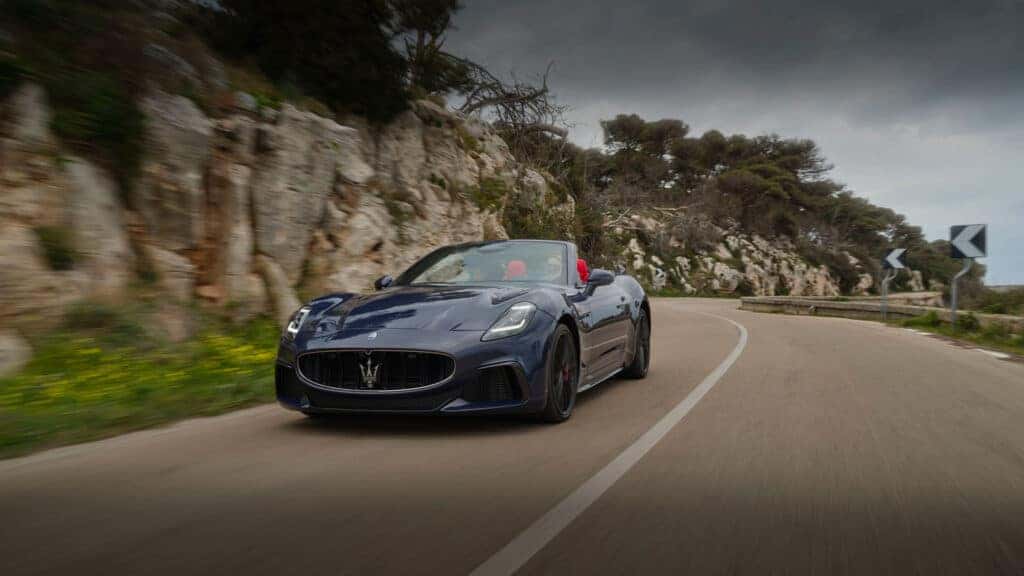
GranTurismo & GranCabrio
Nettuno V6
Architecture
3.0L twin-turbocharged V6
Output
483–542 hp, depending on trim
Built in
Modena, Italy — in-house by Maserati
The same engine as the MC20, retuned for grand touring — softer delivery, more usable low-end, built to be driven every day.
Grecale GT & Modena
Mild-Hybrid Inline-4
Architecture
2.0L turbocharged four-cylinder, 48V mild hybrid
Output
296–325 hp, depending on trim
Built in
Stellantis-sourced
The one Grecale configuration that is not a Nettuno. Tuned for daily drivability and efficiency rather than outright output.
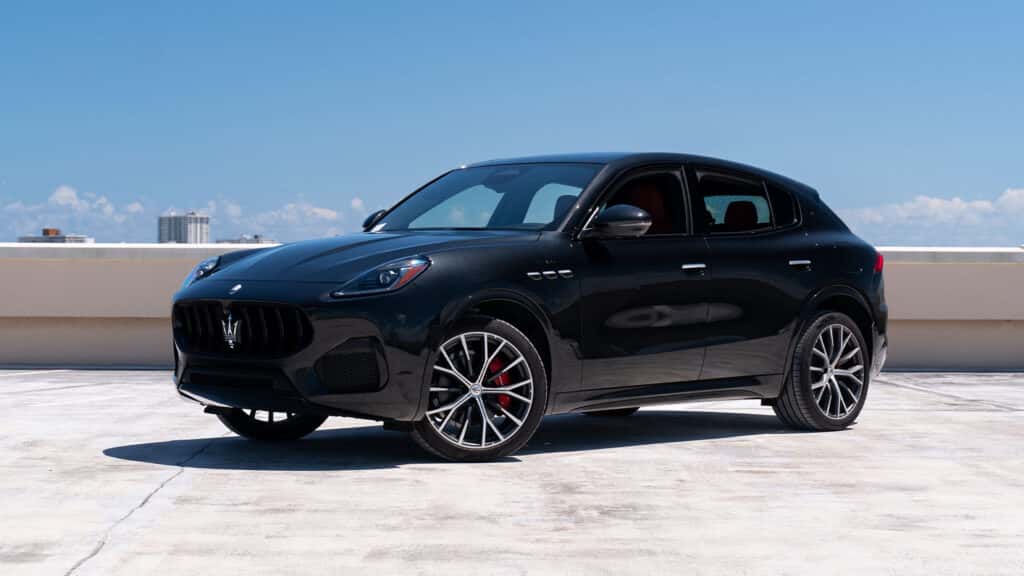
Grecale Trofeo
Nettuno V6
Architecture
3.0L twin-turbocharged V6
Output
523 hp
Built in
Modena, Italy — in-house by Maserati
Trim level is what decides the engine here. Trofeo steps up to the Nettuno V6; GT and Modena do not.
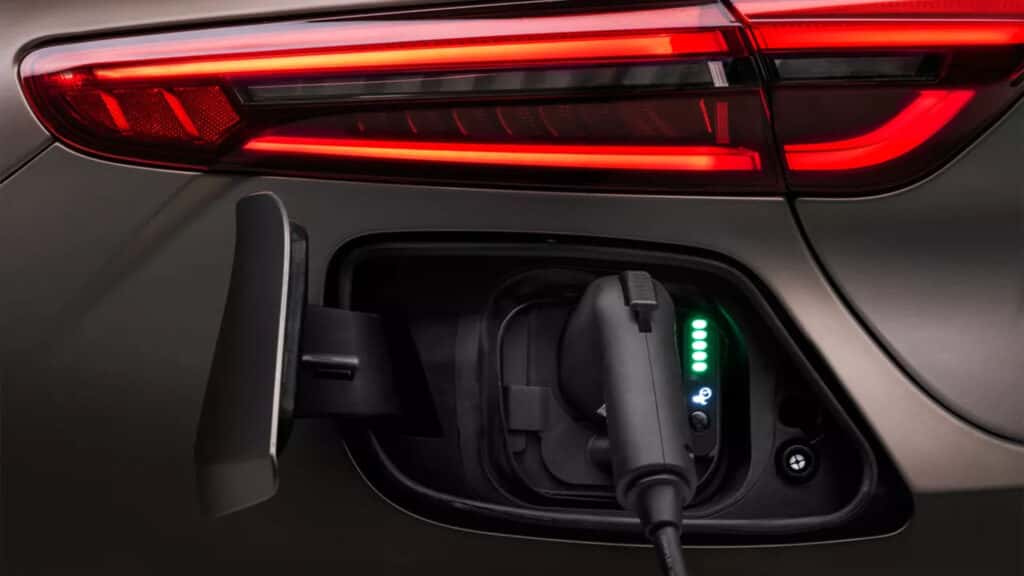
Folgore EV models
Tri-Motor Electric Drive
Architecture
800V electric architecture, three motors
Output
751+ hp
Built in
Maserati electric platform
No combustion engine at all. Folgore is the parallel path to Nettuno rather than a replacement for it.
Specifications vary by model year and trim. Confirm figures for a specific vehicle before purchase.
From hand-built racing powerplants to twin-turbo, hybrid, and electric performance.
1926–1950s
Early Racing Engines
Tipo 26 · A6GCS
Hand-built motorsport engineering, made in small numbers for competition.
1950s–1970s
Inline-6 Grand Touring Era
3500 GT · Mistral
Maserati’s first road cars built for distance rather than for the track.
1960s–2000s
Classic V8 Era
Ghibli · Quattroporte
Large-displacement Italian performance, and the sound most people still associate with the badge.
1980s–1990s
Biturbo V6 Era
Biturbo · Shamal
Twin-turbocharging arrives, and with it a much broader lineup.
2000s–2023
Ferrari Engine Partnership
GranTurismo · Levante Trofeo
Ferrari engineered and built Maserati’s V6 and V8 engines under the Fiat-Chrysler partnership.
2020–Present
Modern Nettuno Era
MC20 · Grecale Trofeo
Maserati returns to designing and building its own engines in Modena.
The eras overlap. Nettuno arrived in 2020, but Ferrari-powered models stayed in the lineup until 2023 — so for three years Maserati sold both.
Did Maserati Use Ferrari Engines?
Yes. For more than two decades, Ferrari engineered and built many of Maserati’s V6 and V8 engines as part of the Fiat-Chrysler partnership.
This collaboration helped shape Maserati’s modern performance identity, particularly in vehicles like the GranTurismo, Quattroporte, and Levante Trofeo.
Why Ferrari Built Maserati Engines — Ferrari handled engine development while Maserati focused on luxury grand touring performance.
Why the Partnership Ended — The Ferrari supply agreement ended in 2023 as Maserati transitioned to the Nettuno V6 and Folgore EV platforms.
Two Engines, Two Intentions
Ferrari and Maserati both build twin-turbo V6s. They are asking the engine to do different jobs.
Ferrari
Maserati
Crankshaft design
Flat-plane crank
Cross-plane influenced tuning
Power delivery
Sharp top-end, built to be wound out
Broader mid-range torque, usable earlier
Character
High-revving, motorsport-derived
Grand touring refinement
Built for
Track capability first
Long-distance driving first
Neither approach is a compromise of the other. The Nettuno shares Formula 1–derived combustion technology with the most advanced engines built anywhere — it is simply tuned toward a different kind of drive.
MC20, MC20 Cielo & MCPURA
The MC20 lineup uses the 621-horsepower twin-turbo Nettuno V6, representing Maserati’s return to fully independent supercar engineering.
GranTurismo & GranCabrio
The GranTurismo and GranCabrio use a retuned Nettuno V6 optimized for smooth grand touring performance and everyday drivability.
Grecale: Mild Hybrid vs Trofeo
The Grecale lineup uses two very different powertrain configurations depending on trim level.
GT & Modena Trims — Powered by a 2.0-liter turbocharged mild-hybrid 4-cylinder focused on daily drivability and efficiency.
Trofeo Trim — Uses a high-performance version of the twin-turbo Nettuno V6 producing 523 horsepower.
Folgore EV Models
Maserati’s Folgore lineup replaces traditional engines with a tri-motor electric drivetrain and 800V battery architecture designed for high-performance EV driving.
Inside the Nettuno V6
The Nettuno V6 represents Maserati’s return to fully independent engine development. Designed and built entirely in Modena, the twin-turbocharged 3.0-liter V6 now anchors the brand’s modern performance lineup.
Key Nettuno Highlights
3.0L Twin-Turbo V6 — Developed entirely in-house by Maserati engineers
Formula 1-Derived Combustion — Uses advanced pre-chamber ignition technology
Dual Spark Plug System — Improves low-speed smoothness and efficiency
100% Modena Built — Designed, assembled, and tested in Italy
Up to 621 Horsepower — Powers the MC20, MC20 Cielo, and MCPURA
Distinct Maserati Exhaust Character
The Nettuno platform was tuned to deliver a deeper, more mechanical exhaust note while preserving the dramatic character expected from an Italian performance car.
Explore Maserati Models & Performance
Understanding Maserati engines offers a deeper look into the brand’s performance philosophy and engineering evolution.
From the twin-turbo Nettuno V6 powering the MC20 and Grecale Trofeo to the fully electric Folgore lineup, each Maserati powertrain is designed to deliver a distinct balance of luxury, speed, and Italian character.
Modern Maserati powertrains are significantly more advanced than earlier generations, particularly the Nettuno V6 and current mild-hybrid systems. Long-term reliability still depends heavily on proper maintenance and servicing.
Ferrari engines traditionally focused on high-revving supercar performance, while Maserati configurations prioritized smoother grand touring power delivery and everyday drivability.
Modern Maserati powertrains are significantly more advanced than earlier generations, particularly the Nettuno V6 and current mild-hybrid systems. Long-term reliability still depends heavily on proper maintenance and servicing.
Ferrari engines traditionally focused on high-revving supercar performance, while Maserati configurations prioritized smoother grand touring power delivery and everyday drivability.